What NeuBird AI's Flock 2026 Conference Taught Us About Resilience, People, and Autonomous Operations
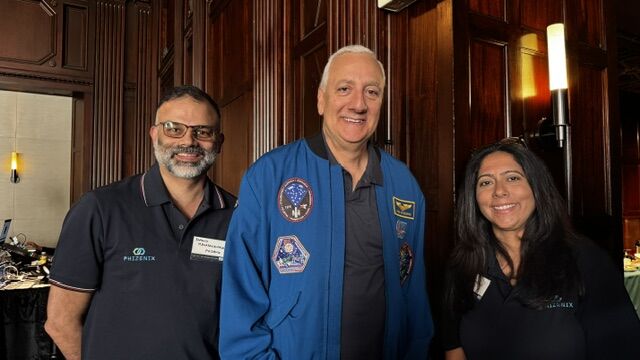
When something breaks hundreds of miles above Earth, there is no one to call. That was the backdrop for one of the most memorable keynotes at NeuBird AI's Flock 2026 conference, where former NASA astronaut Michael Massimino spoke on “The Ultimate Co-Pilot: What Repairing the Hubble Taught Me About the Future of Autonomous Operations.” Phizenix was proud to be a sponsor, and Khursheed Irani, Founder and CEO of Phizenix, was there alongside Raashid Mehasanewala.
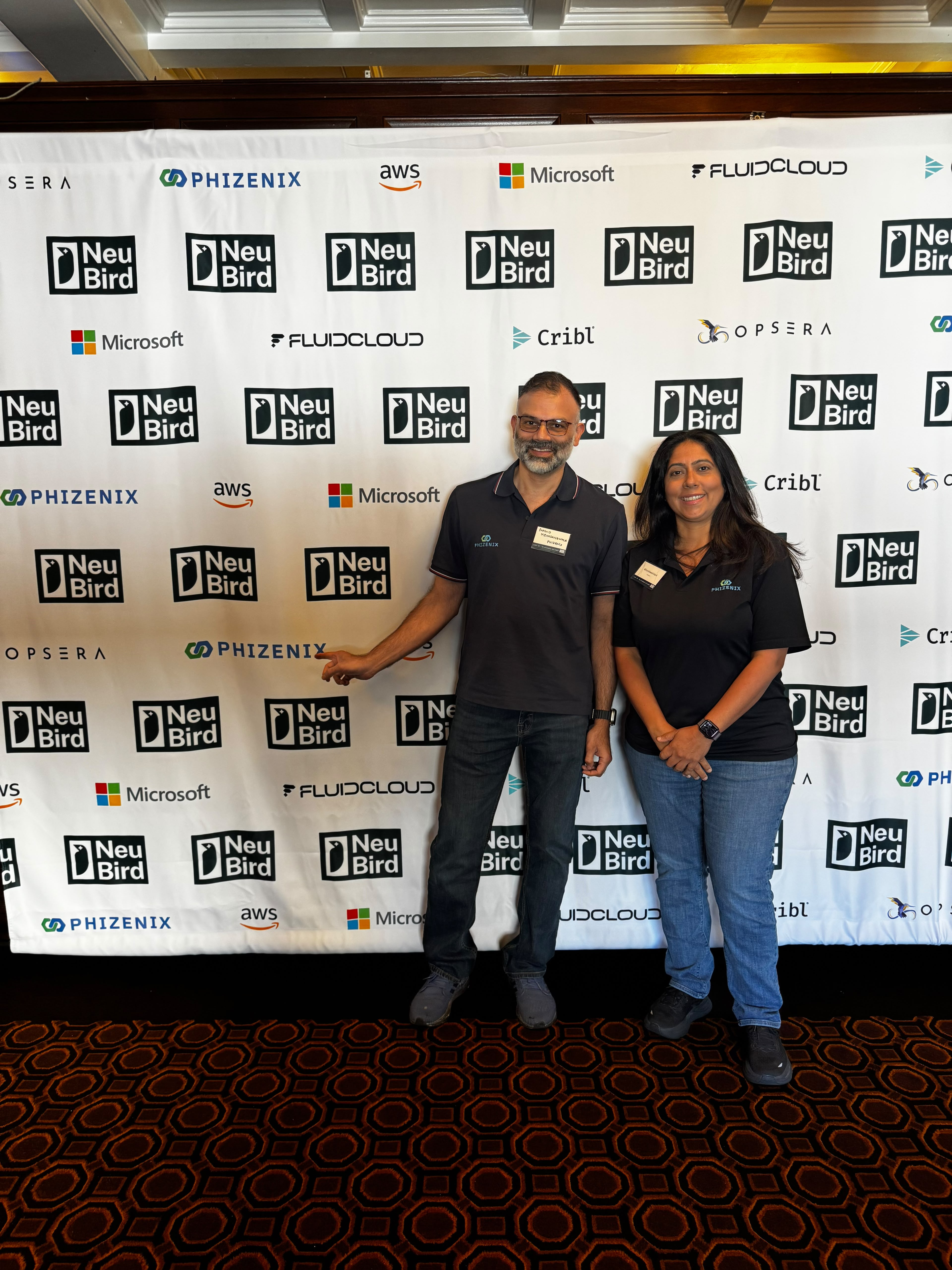
The day brought together a strong lineup of speakers on AI, autonomous operations, and cybersecurity. Khursheed sat in on sessions from Goutham Rao, CEO of NeuBird AI, on moving from alert noise to autonomous ops; Cameron Stewart of GitHub on why your next user is an agent; Neil Daswani on living in an age of big breaches and AI attacks; and Erik Loen, GM at AWS, with Venkat Ramakrishnan, COO of NeuBird AI, on the shift from firefighting to governed resilience in production operations.

Four lessons from Massimino's keynote are worth carrying forward.
The first is the three Ts: tools, training, and teams. Technology alone doesn't create impact. People need the right training and the right teams around them to turn powerful tools into meaningful results. As Raashid put it, most teams pour their energy into the tools and underinvest in the people who make them work, and that gap shows up fast with AI.
The second is the 30-second rule. When something goes wrong, give yourself 30 seconds to feel disappointed or frustrated. Then learn from it, refocus, and move forward rather than letting regret hold you back. In operations, where incidents are inevitable, how quickly a team resets matters as much as how it responds.
The third is to draft better and teach less. Better preparation, clearer thinking, and stronger execution up front can accomplish more than piling on additional instruction later. Choosing the right people and setting them up well is its own form of leverage.
The fourth is that rejection isn't necessarily the end of the road. Massimino faced repeated rejections on his path to becoming an astronaut, including challenges with his eyesight. Instead of giving up, he worked to overcome them. Persistence isn't about doing the same thing over and over. It's about learning, adapting, and finding another way forward.

That last idea resonated well beyond space. Whether we're building a business, leading teams, or navigating the rapid evolution of AI, setbacks are inevitable. What matters is how we respond. Thank you to the NeuBird AI team for bringing together such an inspiring group of leaders.
Phizenix helps organizations get all three Ts right across staffing, training, and consulting, pairing the right tools with the people and teams who make them work. If your organization is navigating its own path toward autonomous operations, we'd love to be part of that conversation.