What the Q3 AI Leaders' Forum Taught Us About Building AI That Keeps Getting Better
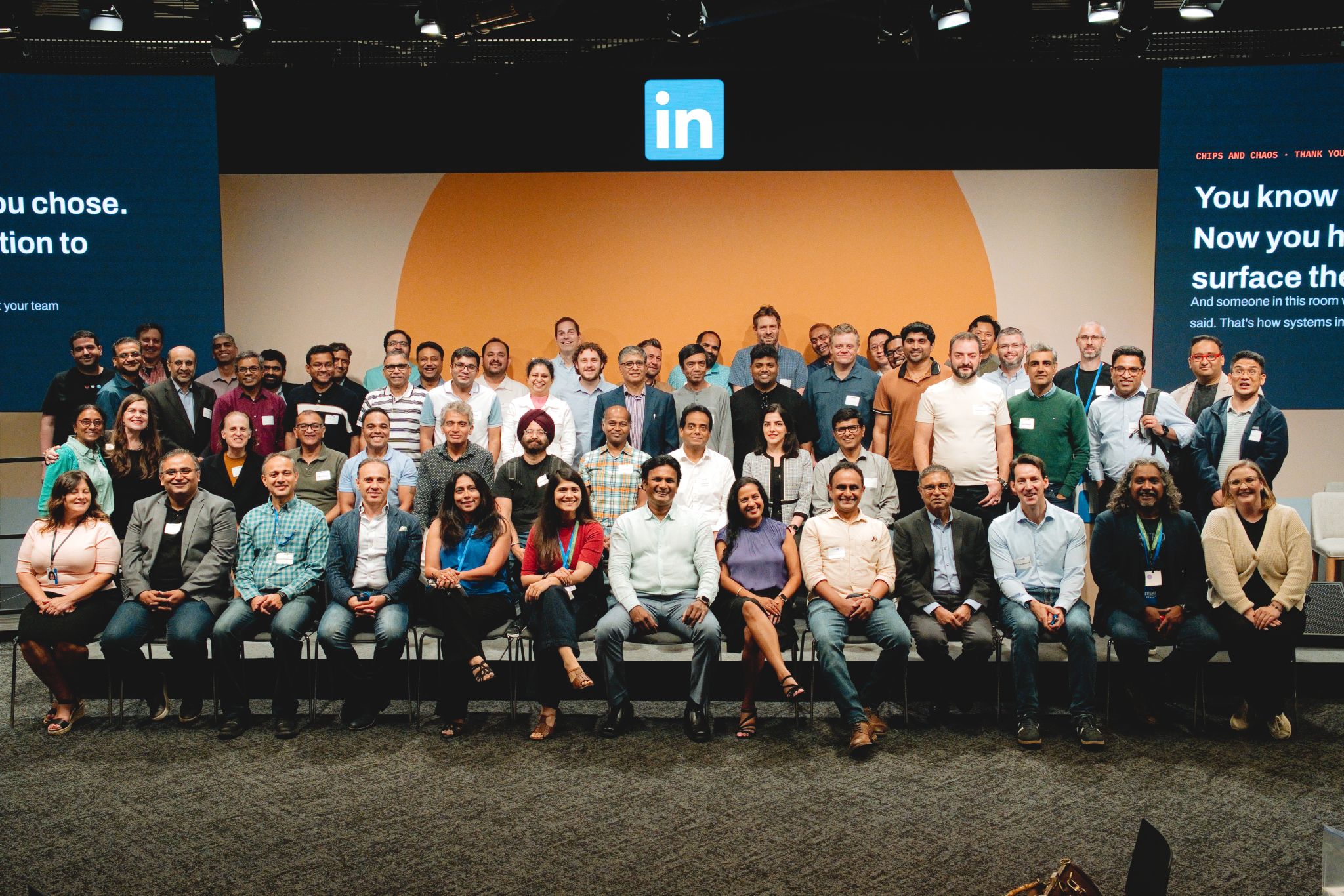
“A good harness can make a bad model a good model.” That line from Joey Conway of NVIDIA was the one nearly everyone in the room wrote down at the AI Leaders' Forum Q3 event, held at LinkedIn's Sunnyvale office. Around 130 AI executives gathered for an evening focused on a single theme: building continuously improving AI systems. Phizenix CEO Khursheed Irani attended and, as one of the forum’s volunteer organizers, helped bring the evening together.
The panel featured Joey Conway, Senior Director of Generative AI for Enterprise at NVIDIA; Animesh Singh, Senior Director of AI and Machine Learning Platform at LinkedIn; Luke Simon, Director of AI Research at Meta; Praful Krishna, Product Management Director for Core Labs at Google; and Helen Gu, Founder and CEO of InsightFinder AI. Sam Hamilton, a board member, advisor, and investor across data and AI, moderated. Breakout sessions followed, where attendees worked through the practical challenges and trade-offs of running AI systems in production.

Three ideas from the event are worth carrying forward.
The first is that deploying AI is only the beginning, and the harness matters as much as the model. As Luke Simon put it, “LLMs are in the Stone Age when it comes to parameter updates,” so most real improvement comes from the system built around the model. The right combination of context, tools, orchestration, and evaluation can make an average model perform exceptionally well. The conversation is shifting from prompt engineering to harness engineering, and a good harness is built to evaluate and switch models as performance, capabilities, and costs change. The best model today may not be the best one tomorrow.
The second is that you have to measure decisions, not just answers. Agents are, in the panel's words, looking for the yes, and given a hard enough problem they will find one, even if the route there is reward hacking. That means breaking complex tasks into steps and evaluating intermediate decisions and tool use, then using ablation testing to see which components actually drive performance. Praful Krishna compared catching hidden failures to detecting a black hole: you never see it directly, you watch the stars around it. Helen Gu went further: “You need an agent for the agent.” Because AI systems are non-deterministic, end-to-end tracing, model version pinning, golden datasets, red teaming, and multi-run regression testing are what make them debuggable and improvable over time.
The third is that people stay at the center. Human judgment is still needed to validate automated evaluations, resolve ambiguous outcomes, and oversee high-risk decisions. Successful AI adoption isn't just about technology. It's about people, continuous learning, and turning innovation into practical business value.

Taken together, these ideas change the question every organization should be asking. It is no longer simply “How can we use AI?” but “How do we make AI work better, more reliably, and more responsibly over time?” Thank you to LinkedIn for hosting, InsightFinder AI for sponsoring, and the volunteers who make these evenings possible.
Phizenix helps organizations answer that question across staffing, training, and consulting, building the systems, and the talent that keeps AI improving long after launch. If your team is working out how to move from deploying AI to continuously improving it, we'd love to be part of that conversation.