
What Glean GO 2026 Got Right About Where Enterprise AI Is Headed
The conversation around enterprise AI is shifting from experimentation to execution, and that shift was on full display at Glean GO 2026, held in San Francisco on August 26 and 27.
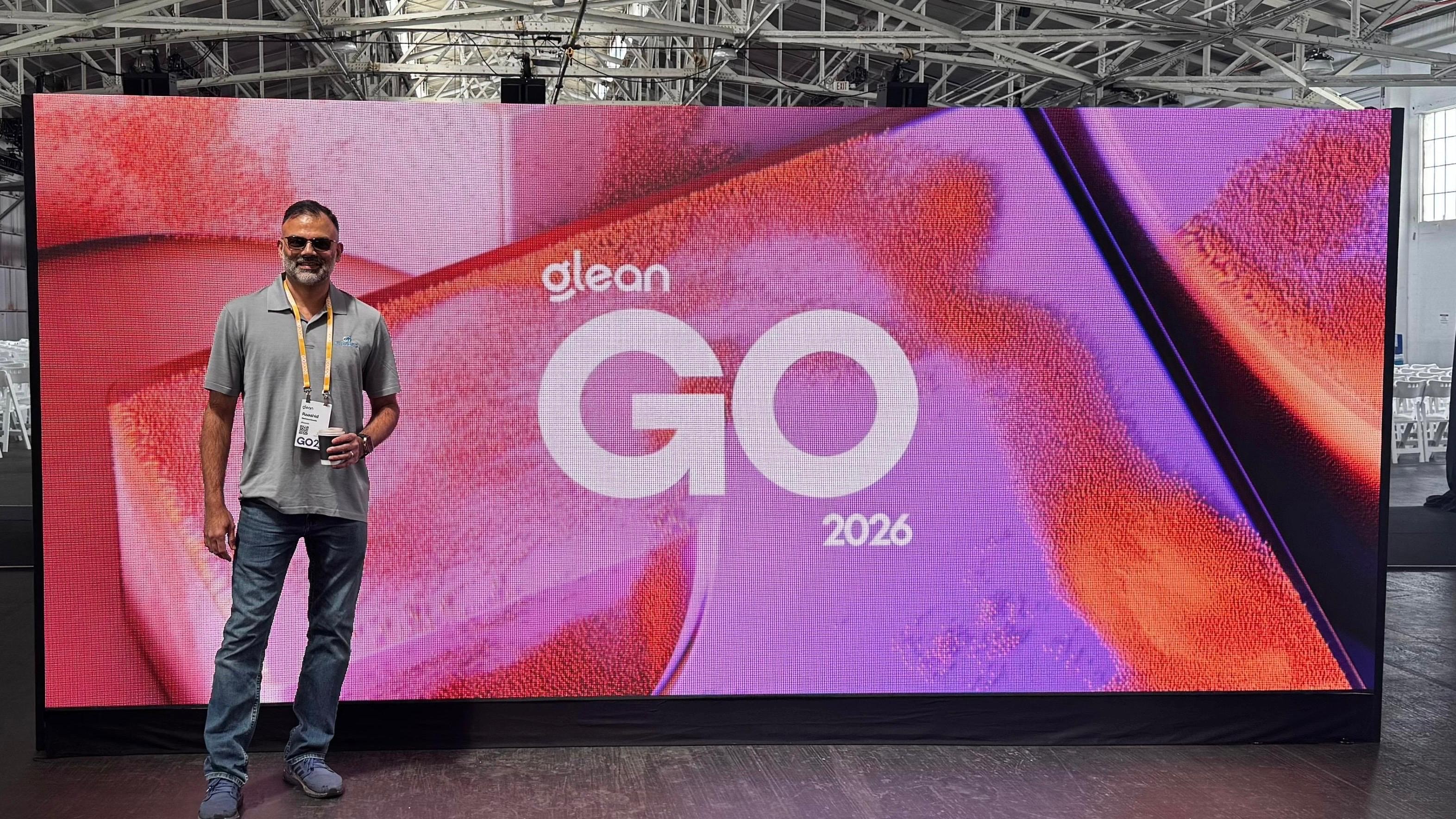
Phizenix was there as a partner and sponsor. Our CEO, Khursheed Irani, along with Raashid Mehasanewala, Andrew Lee, Akon Dey, and Patrick Farry, ran the Phizenix booth across both days and sat in on sessions with builders, buyers, and everyone in between working out what's next.
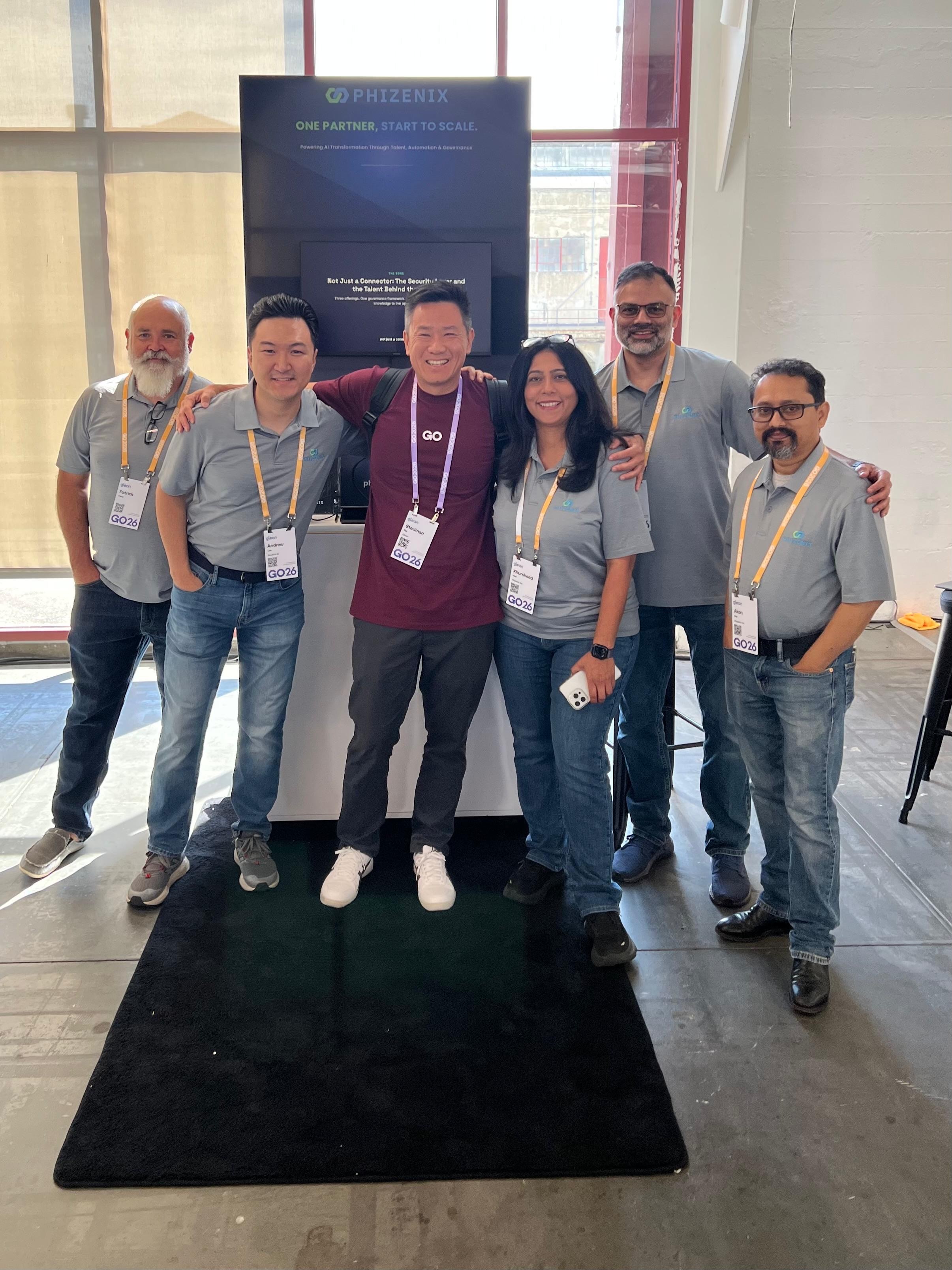
Four ideas from the event are worth carrying forward.
The first is that context, not the model, is what actually sets teams apart. Glean's own Tau made this case well: it brings enterprise context together with your desktop, files, applications, and code, so AI can execute complex work instead of just describing how someone else might do it. The point holds beyond any one product. Connecting a model to the knowledge, people, systems, and processes inside an organization is what turns a good model into a good outcome.
The second is that most companies don't need fewer AI models, they need something smart enough to sort through the ones they already have. Raashid Mehasanewala, who staffed the Phizenix booth, put it well: frontier models keep getting better and new ones keep showing up, and most companies don't want to be in the business of deciding which one to use for which job. Glean's architecture is built around exactly that problem, using intelligent model routing and an agentic layer that plans the work before handing it to the right frontier model. That's the real fix for AI sprawl. Not fewer models, a platform smart enough to manage them for you.
The third is that AI is starting to take initiative instead of waiting for it. Proactive AI, systems that identify an opportunity and act on it rather than sitting idle until someone asks, came up again and again. That's a real change from the assistant model most companies have gotten used to, and it shifts the question from how do I write a better prompt to how much initiative am I comfortable handing over, and to what.
The fourth is that none of this is about replacing the people doing the work. It's about redefining how they create value. That distinction came up in nearly every conversation at the Phizenix booth, and it's the intersection Phizenix has always built for: talent, technology, and business transformation together.
These are the kinds of conversations worth having more of. Not abstract predictions about where AI is headed, but a good look at what's actually working on the ground, and what leaders still need to get right.
Phizenix helps organizations find where AI can responsibly take on work and build the systems to match. If your team is figuring out what it actually takes to move from AI experimentation to AI execution, we'd love to be part of that conversation.